
Subtotal ₹0.00
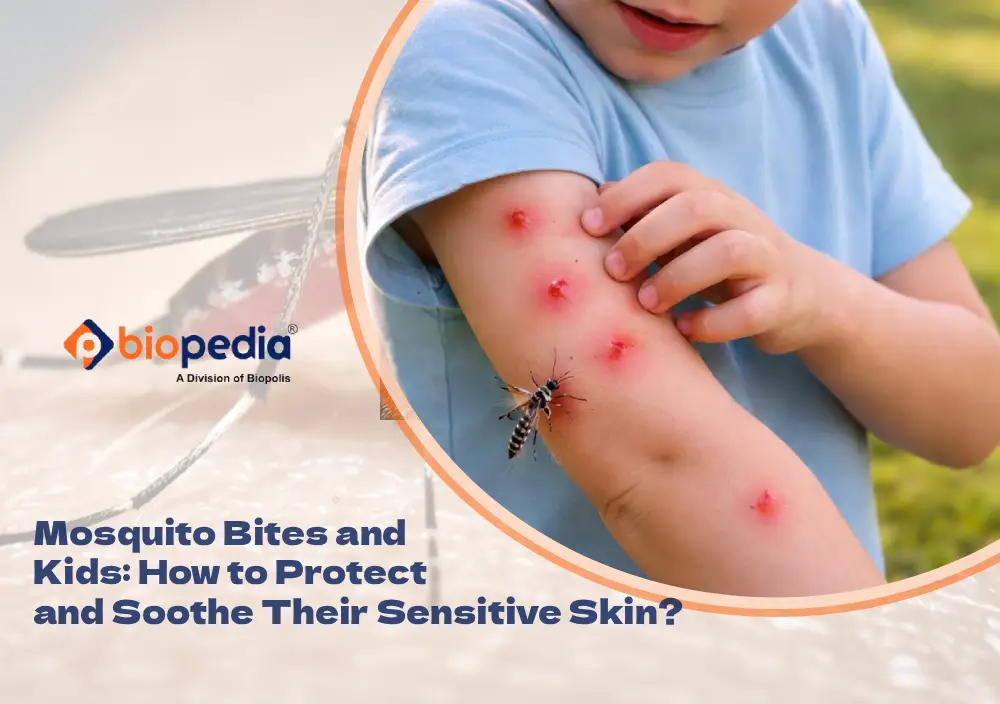
Children enjoy outdoor games; they play in the garden, in the park, and love to go on evening walks. This is why it is the responsibility of every parent to know how to protect their children against mosquito bites and what to do with the skin after bites.
We will discuss the way to keep your little ones from being exposed to mosquito bites and what actions to take in case they are bitten.
Why Are Kids More Prone to Mosquito Bites?
Children are more active and, therefore, generate more body heat and sweat, which the mosquitoes are attracted to. Additionally, their skin is thinner and more sensitive, so it tends to be swollen, reddened, and with the itching of extreme itching when bitten.
Parents tend to be aware that, whereas adults might experience mild itching, children can develop larger welts or scratch the bite open, putting them at risk of infection.
Recognizing a Mosquito Bite Reaction
A mosquito bite is a raised bump that goes on to become reddish or pinkish in color. It is normally itchy within minutes. In case a bite on your child swells severely, has blisters, or contains pus or other signs of high fever or fatigue, you should take your child to a pediatrician right away.
Preventing Mosquito Bites in Kids
The following are some of the ways of protecting your child safely and practically:
1. Dress Smartly
Light colored and long-sleeved clothing as much as possible should be worn by your child. The mosquitoes tend to avoid light colors and cannot bite through covered skin easily.
2. Avoid Mosquito Hotspots
Adults and children should remain indoors during the peak activity times of mosquitoes, which are early in the morning and evening. Unless they must go out, they should be dressed adequately in repulsive and covered clothes
3. Eliminate Breeding Areas
Regularly water-fill around the house, especially buckets, flowerpots, or anything that can hold water. Another effective method of prevention is to use mosquito netting over beds or cribs.
4. Use Mosquito Screens and Nets
Put mosquito screens on the windows and doors. Bring along portable mosquito nets when travelling or camping so your child can sleep bite-free.
Soothing Mosquito Bites Safely
Once they do, easy but speedy attention would help them lessen irritation and stop scratching.
1. Clean the Area
Rinse the bite with a small amount of soap and cool water to cleanse then minimize the chances of infection.
2. Apply a Cold Compress
A cold, damp cloth/ice pack in a towel may assist in the reduction of swollen areas, and the itching sensation may be numbed.
3. Use a Pediatric Bite Relief Cream
Select a bite relief cream or gel that is made for children. They may include calming products such as calamine, aloe vera, or chamomile extract, which have a beneficial effect on the itchy and red skin.
4. Discourage Scratching
Keep the nails of your child cut short and keep him busy with some distraction till the itching is over.
5. Try Natural Remedies
Home remedies like a small amount of honey, aloe vera gel, or a paste made with baking soda and water can offer some short-term relief.
When to Seek Medical Help?
In case of allergic reaction, swelling, or infection of the bites, consult a doctor in case of such signs in your child. Moreover, remember to be wary of being a resident or traveling to a region where the disease is spread by mosquitoes (dengue or malaria).
Building a Bite-Relief Routine
It might be really helpful to have a bite-relieving product that is safe for children at home or in your travel bag. Use preventive measures every day during mosquito season, keep your child’s skin clean, and apply it as soon as a bite appears.
It is not only the comfort that we should protect children against mosquitoes, but also their health and the health of their fragile skin. Through safe repellent agents, clever practices, and appropriate bite-relieving items, parents can be sure that their children will not be afraid of all the adventures they will experience without fearing those annoying bites.
Comments are closed