
Subtotal ₹0.00

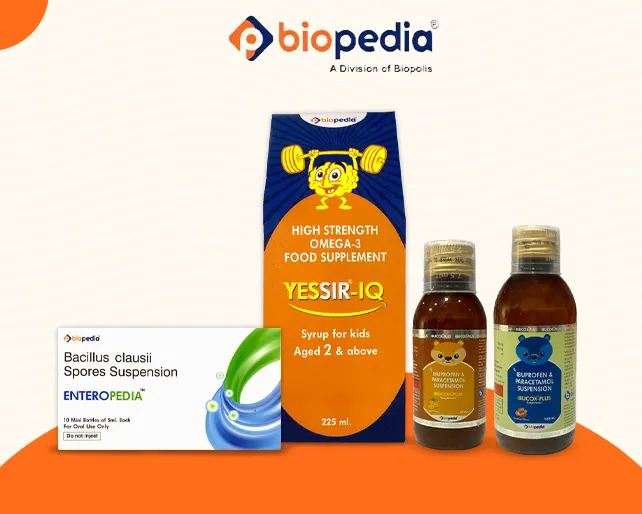
When it comes to children, even a simple medicine must be chosen with care. A child’s age, weight, development, and the ability to take a dosage form can all affect how a medicine is used. This is why pediatric healthcare requires focusing on the child’s medicine. As the need for child‑specific healthcare solutions continues to grow, pediatric pharma is becoming a specialised area of the pharmaceutical industry.
This growing focus is also bringing attention to pure pediatric PCD companies, which concentrate specifically on medicines and healthcare products for children. These companies develop focused ranges around pediatric requirements, including drops, syrups, suspensions, dry syrups and tablets. For franchise partners, this specialisation can provide a market focus while allowing them to work within a healthcare segment, with distinct and consistent product needs.
Why Is Specialization Important In The Pediatric Pharma Segment?
Children’s healthcare requirements can vary significantly according to their age, growth, and individual needs. This makes the choice of formulation, dosage and product presentation particularly important in pediatric care. A pharmaceutical company that focuses on this segment needs to understand these requirements while building a suitable product range.
Some key differences that a specialised pediatric pharma may include:
Age-appropriate dosage forms: Drops are used for infants. Syrups are better for toddlers. Older children can take tablets or medicines that dissolve quickly in the mouth.
Palatability: Many children refuse medicine if it tastes bad. So pediatric formulations are often flavored to make them more acceptable. This helps parents give the right dose without struggle.
Dosing accuracy: Kids need exact amounts. That’s why packaging often includes measuring spoons. This reduces the risk of giving too much or too little.
Ingredient safety: Children’s organs are not fully developed. Their bodies process medicines differently. So formulations must avoid harsh ingredients and use only safe and tested substances.
Why Are Pure Pediatric PCD Companies Different?
A pharma PCD company usually sells products across many therapeutic areas. Cardiac orthopaedics, dermatology, gynaecology, and pediatrics. All in one place.
Pure pediatric PCD companies work differently. Their entire product range, research focus and business model are built around one goal: children’s healthcare. This narrow focus brings real benefits:
A wider and more relevant product range: A full set of pediatric products covering nutrition, immunity, digestion, respiratory care, and general wellness
Formulation expertise: Better understanding of flavour masking, dosage accuracy and the special needs of different age groups
Consistent quality standards: Manufacturing processes that follow strict pediatric safety rules.
Focused marketing tools: Visual aids, educational materials, and promotional tools that make it easier to communicate the range of products to relevant healthcare professionals.
What Should You Look for in a Pediatric Pharma Company?
Choosing a pharmaceutical partner is an important choice, especially when the business focuses on a specialised health area. A company might have a product catalogue, but there are many other things to think about before starting a partnership. When you evaluate a pediatric pharma company, you should look at:
Product Quality: Product quality is one of the first things to consider. Verify that the pediatric pharma company follows manufacturing procedures and quality‑control rules and that product details are clearly given.
Product Range: A useful pediatric portfolio should contain more than a few product categories. Search for a range that includes formulations and meets the real needs of pediatric healthcare.
Manufacturing and Supply: Consistent product availability is essential for any PCD business. Delays or frequent stock shortages can hurt relationships, with customers and healthcare professionals making dependable supply a concern.
Business Support: A franchise partner may need materials, product information, and assistance from the company. Understanding what kind of support is provided before starting the business can help avoid confusion.
Territory and Commercial Terms: The franchise agreement should clearly explain the territory, pricing, minimum order requirements, and other commercial conditions. Having these details in writing helps both sides establish a professional relationship.
How Can Pure Pediatric PCD Companies Support Your Franchise Business?
A good pharmaceutical partner should provide more than a list of products. Pure pediatric PCD companies can give help that lets franchise partners manage and promote their business in the child healthcare segment.
- Product information: Clear details about formulas, dosage forms, and product specifications help franchise partners understand the range better.
- Materials: Visual aids, product cards, and other marketing resources can make product communication more effective.
- Supply: Regular availability and prompt order processing help keep the market steady.
- Business assistance: A responsive team can help franchise partners with product questions, orders, and other everyday needs.
Conclusion: The growing focus on children’s healthcare is giving pediatric pharma a more important place within the pharmaceutical industry. For entrepreneurs, working with pure pediatric PCD companies can provide a focused product range and a clearer direction for building a franchise business. However, choosing the right partner requires careful attention to product quality, portfolio, supply, business support, and commercial terms. With the right company and a well-planned approach to the market, a pediatric PCD franchise can become a sustainable business opportunity while supporting the availability of specialized healthcare products for children.
Frequently Asked Question
Q1. What Products Are Commonly Included In A Pediatric Pharma Range?
A. A pediatric range may include drops, syrups, suspensions, dry syrups, tablets, vitamins, and nutritional products.
Q2. Why Are Liquid Formulations Common In Pediatric Medicines?
A. Drops, syrups and suspensions can be easily given to younger children who may have difficulty swallowing tablets.
Q3. What Should I Check Before Choosing A Pediatric Pharma Company?
A. Before you choose a pediatric pharma company, consider its product quality, manufacturing standards, portfolio, supply reliability, pricing, support and franchise terms.
Q4. How Can A Pediatric PCD Company Support Franchise Partners?
A. Support may include product information, promotional materials, order assistance, regular supply and other resources for market development.